
RFID technology enables automatic, real-time updates of stock levels, which minimizes manual effort and human error. Each product is tagged with an RFID tag that continuously communicates its location, quantity, and condition to the central system.

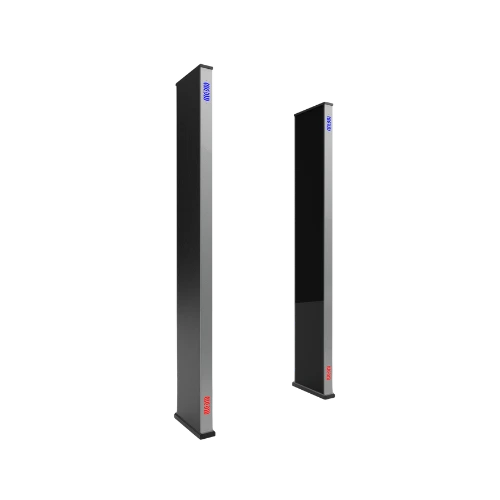
RFID readers installed at the gates of the warehouse automatically track the entry and exit of goods without manual intervention. As goods move in and out, RFID systems capture this information and instantly update the inventory, ensuring data accuracy and real-time visibility.

With the integration of AI and data analytics, RFID-based systems can continuously collect and analyze data, providing critical insights into inventory levels, operational performance, and stock movement. This enables data-driven decision-making, optimizing replenishment cycles, and inventory structure.

RFID tags attached to each item or pallet allow for rapid location identification, drastically reducing the time spent searching for goods within the warehouse. This also enables better space utilization by providing real-time information on inventory location, making it easier to organize and allocate products.

With RFID systems, businesses can automatically manage product batches and expiration dates. The system provides timely alerts for goods nearing the end of their shelf life, ensuring that products are used or replenished before they become obsolete, minimizing waste and losses.

RFID technology automates critical tasks such as goods scanning, distributing, and sorting. This includes automatic scanning of items when they are received, moved, or dispatched. The system also assists with generating labels, which makes the process faster and more accurate.

RFID-based automation allows the warehouse system to detect when goods are running low, triggering an automatic replenishment order. This ensures that the stock levels are always optimal and reduces instances of stockouts or overstocking.

RFID enables continuous monitoring of high-value inventory and restricted items across the warehouse. Any unauthorized movement, missing item, or unexpected exit through gates can trigger instant alerts. This reduces pilferage, improves asset accountability, and strengthens compliance through complete traceability logs.

RFID systems generate detailed reports such as inventory analysis, delivery performance, replenishment needs, and distribution statistics. These reports help managers make better decisions and optimize warehouse operations for increased productivity.

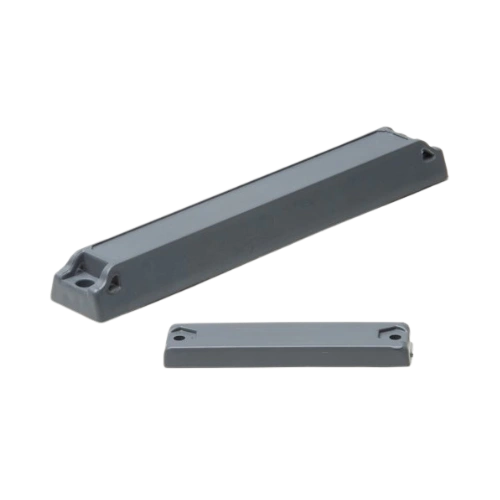
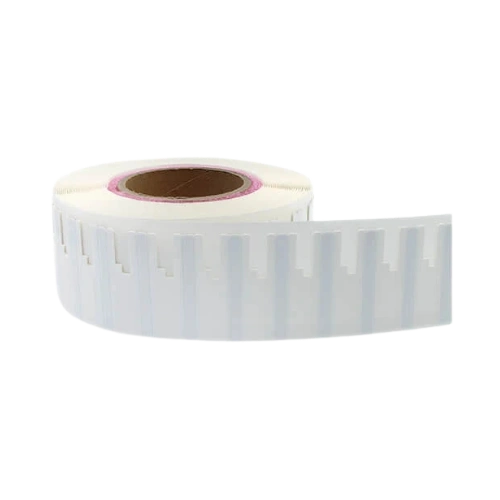
A wide variety of RFID tags are used within the warehouse depending on product type, material, and storage conditions. Tags are attached to pallets, cartons, shelves, and even individual items, storing unique identity data for each unit. This enables real-time identification and traceability across all warehouse processes. RFID tagging ensures accurate inventory mapping and supports different use cases like on-metal tracking and rugged environments.

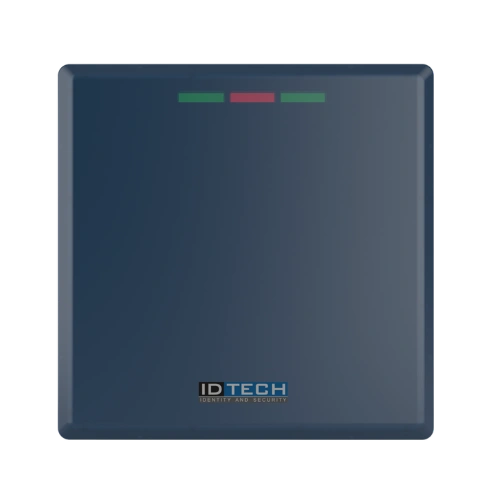
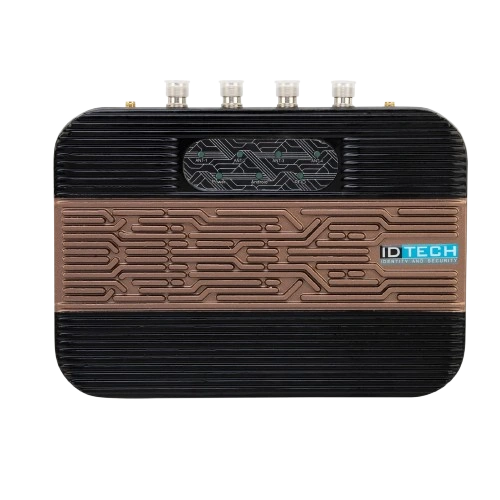
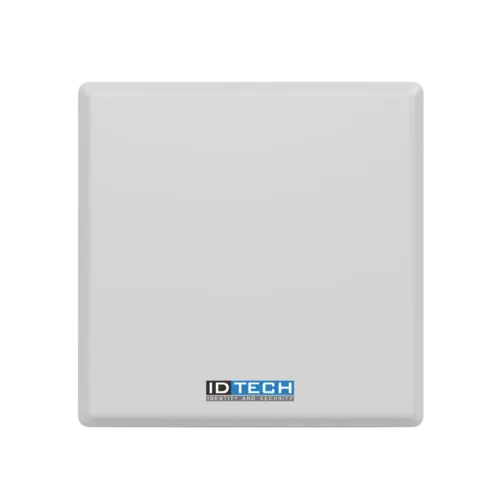
RFID fixed readers and antennas are installed at key locations such as entry-exit gates, dock doors, and storage zones to automatically capture tag data in real time. As goods move through these checkpoints, the system reads multiple tags simultaneously without manual scanning. Multi-port readers enable broader antenna connectivity and wider coverage, ensuring continuous visibility. This improves tracking accuracy, speeds up operations, and eliminates manual logging.

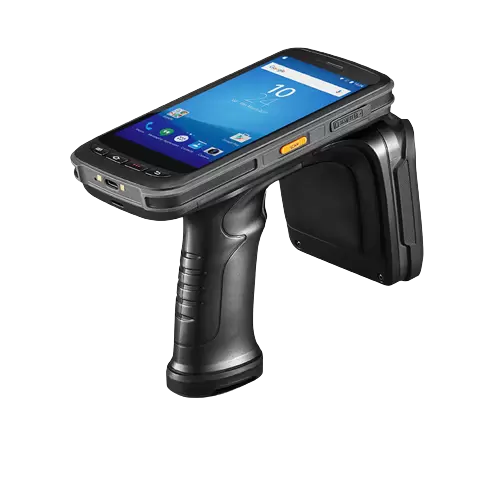
RFID handheld devices provide warehouse teams with mobility to perform quick stock audits, cycle counts, and item searches. By scanning shelves, bins, and pallets, these readers identify tagged goods instantly without line-of-sight requirements. This makes inventory verification significantly faster compared to barcode scanning. Handheld readers are also useful for locating misplaced products and confirming dispatch items.
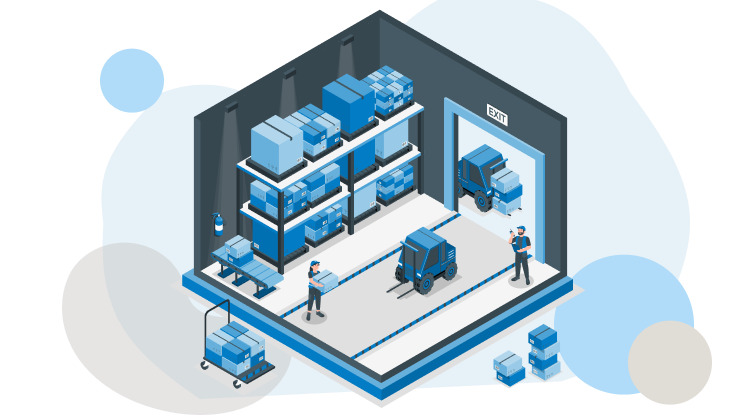
RFID integrates with material handling equipment such as forklifts, conveyor belts, and autonomous mobile robots to automate internal movement of goods. RFID-enabled systems can identify items, verify locations, and guide automated sorting or picking operations. When goods are moved, RFID readers capture real-time updates and communicate with automation software for correct routing. This reduces human dependency and improves picking accuracy.
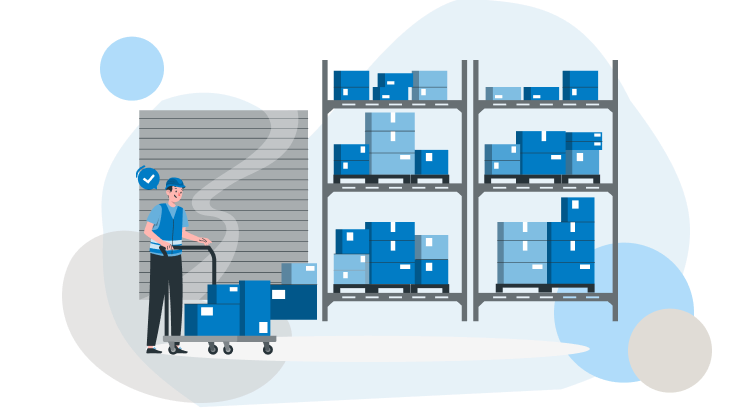
RFID data can be seamlessly integrated with existing Warehouse Management Systems (WMS) and ERP platforms to enhance operational control. The scanned information is automatically synchronized with order management, dispatch planning, and inventory modules. This ensures real-time stock updates, better shipment coordination, and improved workflow visibility. Such integration allows organizations to upgrade warehouse performance without major infrastructure changes.
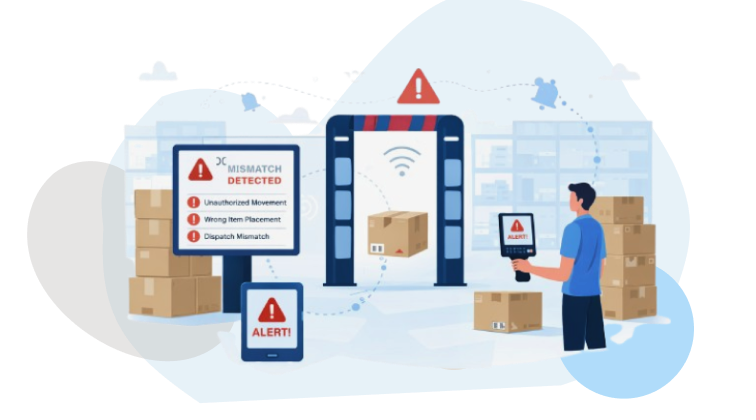
RFID systems generate automated alerts for exceptions such as missing goods, unauthorized movement, wrong item placement, or dispatch mismatches. When tagged items pass through RFID checkpoints, the system validates the scanned data against expected inventory and order records. Any mismatch triggers instant notifications on dashboards or handheld devices, enabling quick corrective action. This reduces operational errors and prevents delays.

RFID automates the receiving and shipping processes, ensuring that goods are accurately tracked as they enter or leave the warehouse, reducing delays and improving order accuracy.

Real-time updates and tracking ensure that stock levels are accurate and up to date. This minimizes discrepancies between physical inventory and the system, reducing the risk of stock shortages or overstocking.

RFID, in combination with AI, allows businesses to make better-informed decisions based on real-time data. Detailed insights into stock movement, inventory health, and warehouse performance enable warehouse managers to optimize processes and boost profitability.