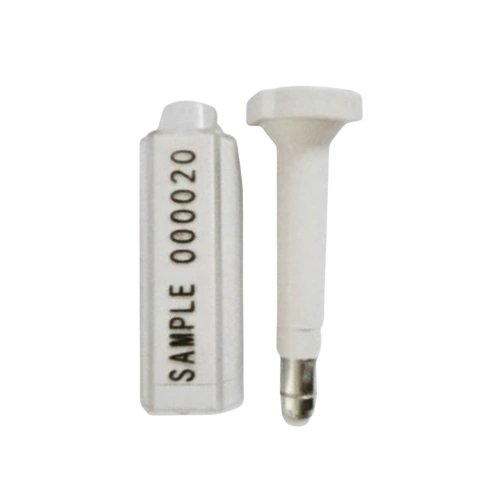

RFID-enabled electronic seals (E-Seals) provide a secure, tamper-proof solution for monitoring cargo containers. These seals deter unauthorized access and provide real-time updates on container status. Integration with port management software ensures compliance, reduces theft risk, and triggers instant alerts in case of seal tampering.

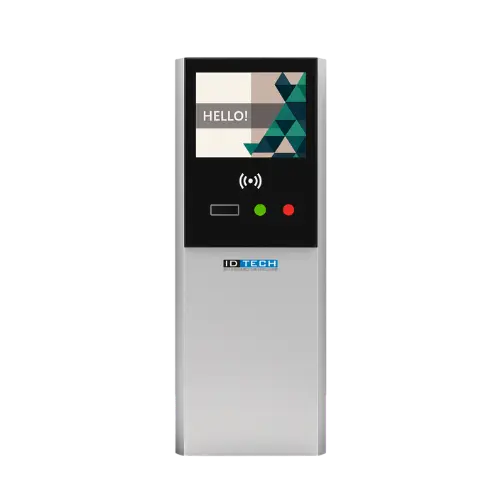
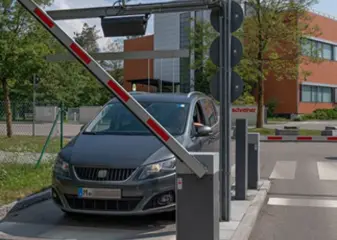
RFID automates vehicle and container entry/exit at port gates. RFID readers scan container/truck tags instantly, validate credentials, and update records automatically. This eliminates manual verification, reduces errors, improves gate security, and ensures smooth traffic flow.

RFID-based tracking provides real-time visibility of containers inside the port yard. Fixed RFID readers and antennas installed across zones continuously detect container movement and location. This reduces container misplacement, improves yard planning, and speeds up dispatch operations.

Ports rely on critical equipment like cranes, forklifts, trailers, and handling units. RFID tags on these assets enable real-time tracking of location, utilization, and movement history. This improves equipment availability, prevents unauthorized usage, and ensures better resource allocation.

RFID helps monitor and optimize truck movement inside port premises. RFID tags allow automatic logging at checkpoints such as gate entry, loading zone, weighbridge, and gate exit. This provides accurate TAT data, reduces congestion, and improves operational planning.

RFID integrated with weighbridge systems enables automatic vehicle/container identification and weight recording. The captured weight is directly linked with shipment records, reducing manual errors, speeding up processing, and ensuring compliance with cargo weight regulations.
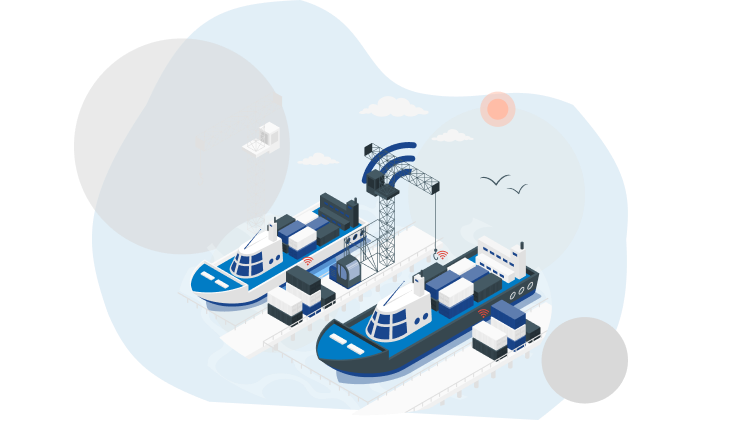
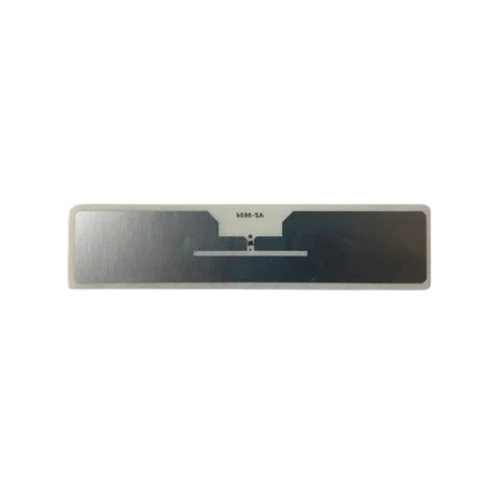
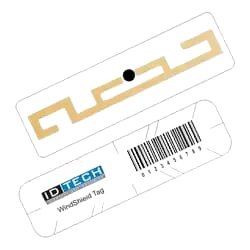
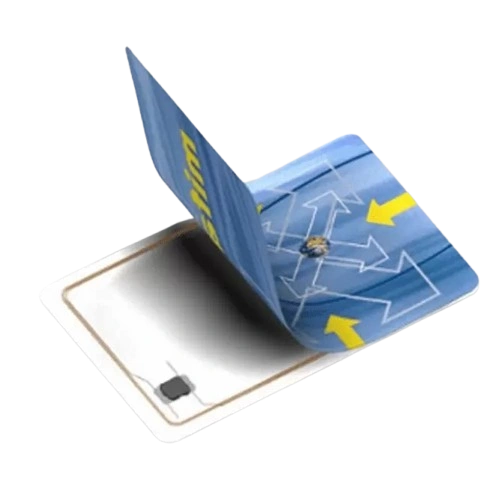
UHF RFID tags with unique EPCs are affixed to containers, vehicles, and assets. Designed for harsh conditions, these tamper-proof tags enable precise identification and tracking.
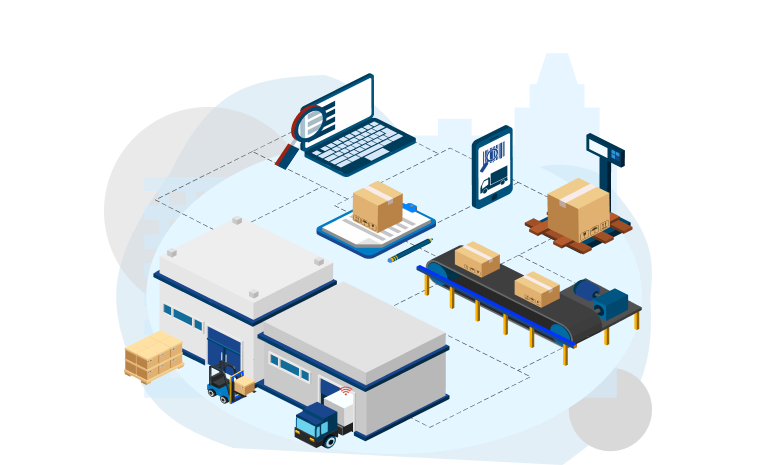
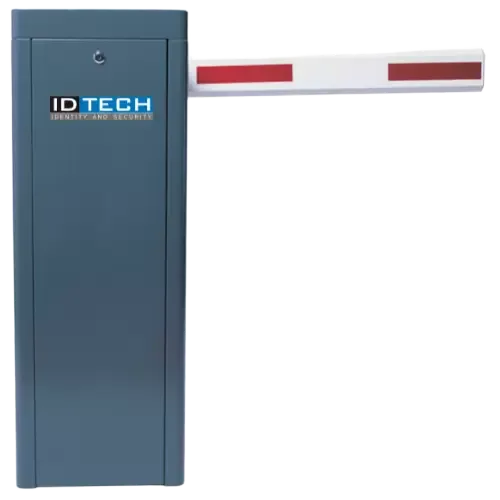
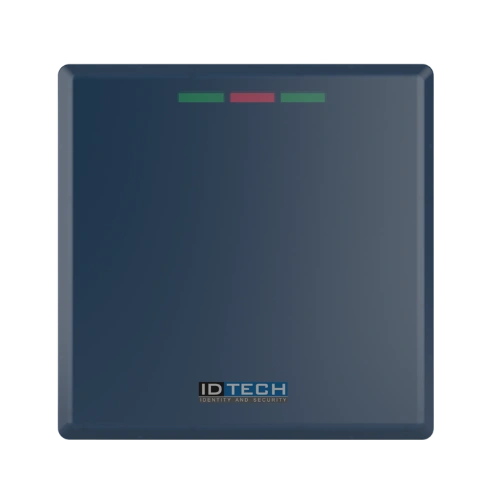
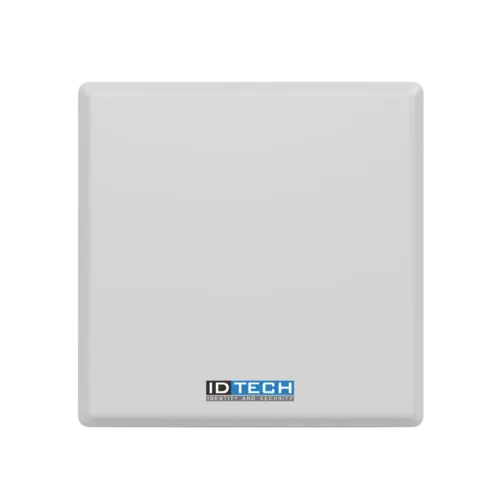
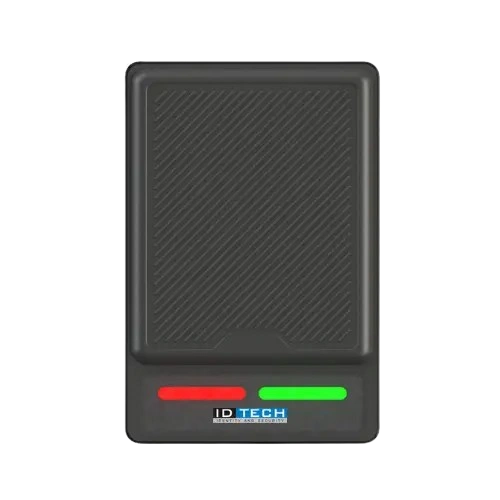
RFID readers with integrated antennas at gates capture tag data for automated verification. Middleware validates credentials against a central database, integrating with barriers and traffic systems for seamless access control.
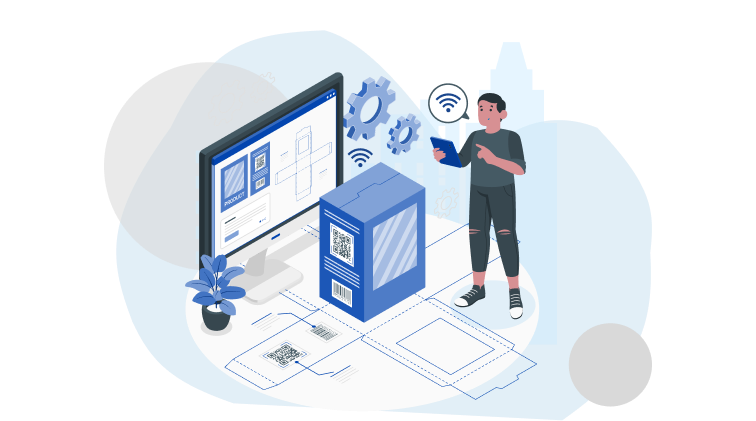
Fixed RFID readers with long-range antennas scan tags at checkpoints, providing continuous tracking and transmitting data via LAN, Wi-Fi, or cellular networks for real-time monitoring.
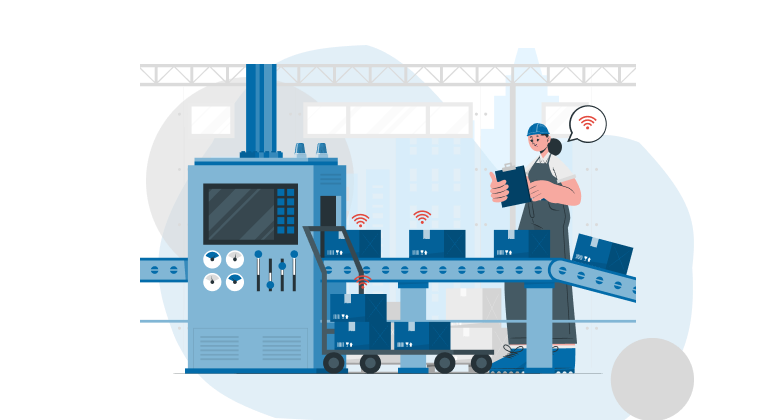
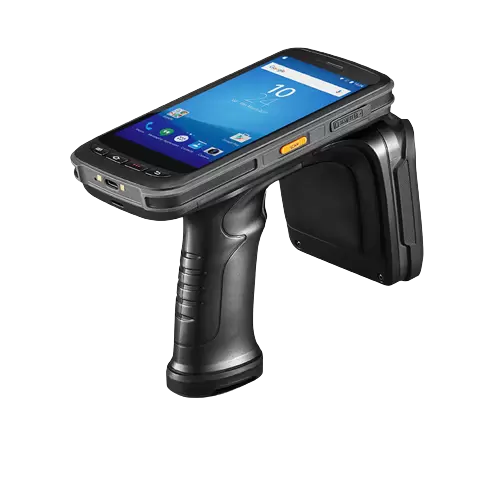
Forklifts equipped with handheld or mounted RFID readers capture tag data during handling. Data is transmitted to the central system, logging movements with timestamps and location details.
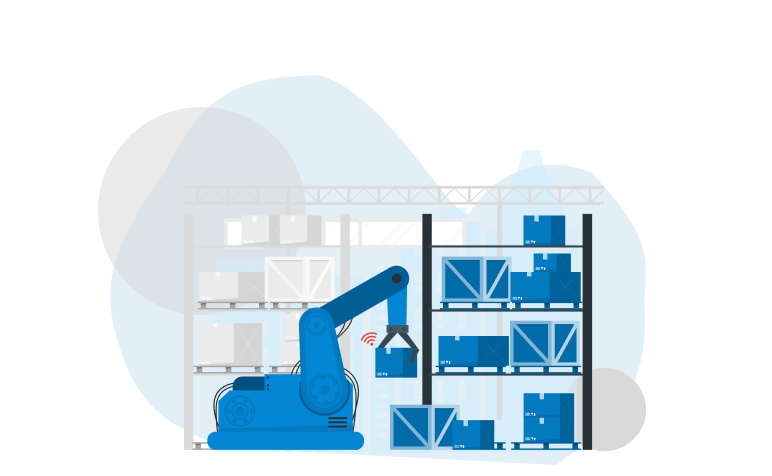
RFID systems monitor inventory with high accuracy using multi-tag readers. Features include geofencing and automated verification to reduce errors and ensure asset visibility.
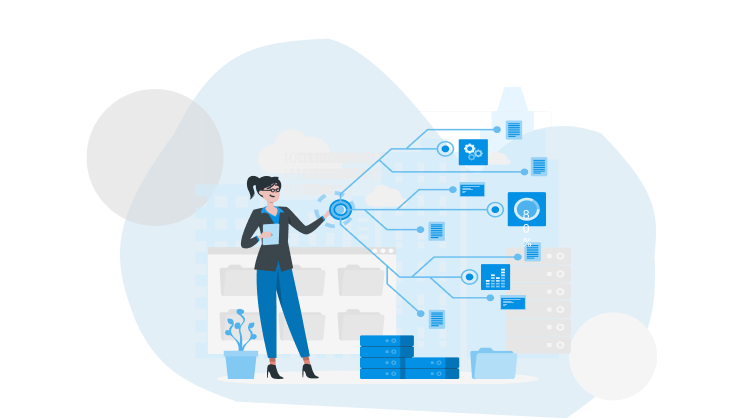
Every RFID scan automatically records asset movement across zones (entry/exit, storage, loading, dispatch) with timestamp and location, creating a real-time movement history for complete traceability and control.

Tamper detection and unauthorized movement trigger real-time alerts through integrated sensors and APIs, notifying security personnel and logging events for audits.

RFID data feeds into centralized platforms like TOS or ERP systems, offering dashboards, role-based access, and cloud-based analytics for operational control and reporting.

AI-driven analytics use RFID data for predictive maintenance, identifying inefficiencies, and optimizing workflows, ensuring reduced downtime and enhanced productivity.

RFID technology ensures authenticity by uniquely tagging containers and assets, reducing the risk of counterfeiting within the supply chain.

RFID readers installed at port entry and exit gates enable automated vehicle verification and clearance, drastically reducing wait times for trucks. This ensures smoother operations and better utilization of transport assets.

RFID systems integrate with customs and documentation processes, automating submissions, approvals, and compliance checks. This reduces paperwork-related delays and ensures quicker clearance for shipments.

Automated tracking and streamlined processes minimize delays, significantly speeding up shipping operations and ensuring timely deliveries.

RFID optimizes the use of transport assets by providing real-time tracking and status updates, ensuring efficient allocation of trucks, cranes, and forklifts, reducing idle time, and enhancing operational efficiency.

Advanced tamper-detection mechanisms and real-time alerts enhance security, reducing tamper attempts at ports and harbors.