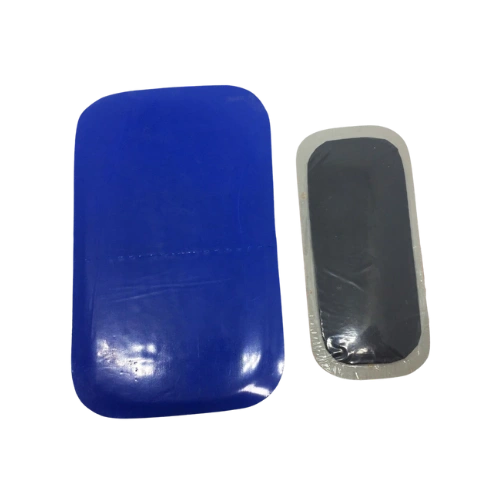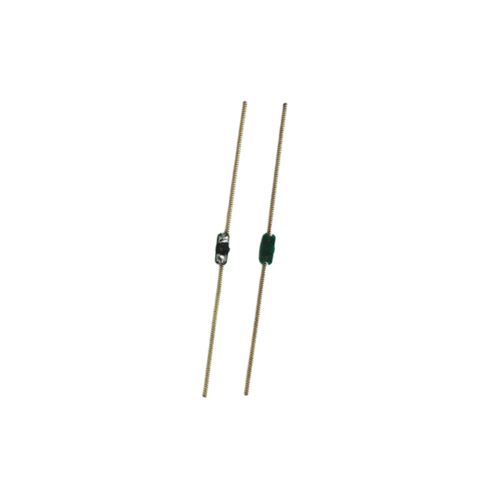
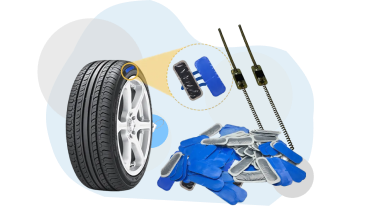
Each tire is equipped with a durable RFID Tire Patch or Spring Tag containing a unique identifier, such as an Electronic Product Code (EPC) number. These tags are securely attached to the tires, typically embedded within the tire sidewall or attached to the rim.

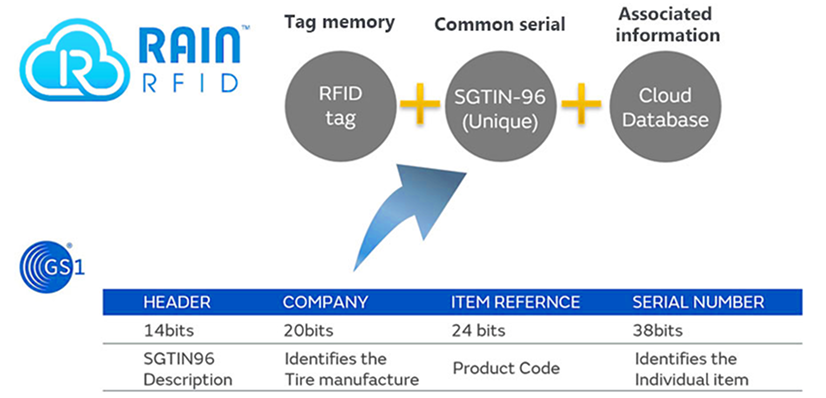
The RFID tire tag data, including the unique identifier and tire information (e.g., tire size, brand, model, serial number), is registered in a centralized database. This database serves as the repository for all tire-related information and acts as a reference point for tracking and managing tires throughout their lifecycle.
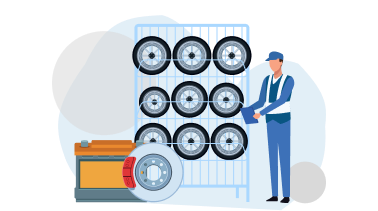
When new tires are received, they undergo an incoming inspection process. During this process, each tire's RFID tag is scanned to register its arrival in the database. Any relevant information, such as manufacturing date and supplier details, is recorded in the database for tracking purposes.

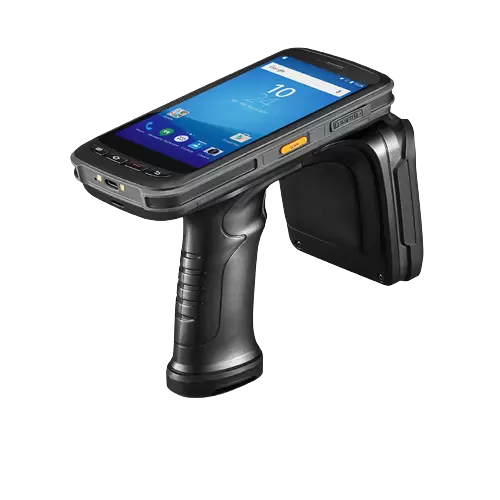
Tires are installed or mounted on vehicles as needed. During installation, the RFID reader scans the RFID tag of each tire to associate it with the specific vehicle or equipment it is mounted on. This information is updated in the database to reflect the tire's current location and usage.
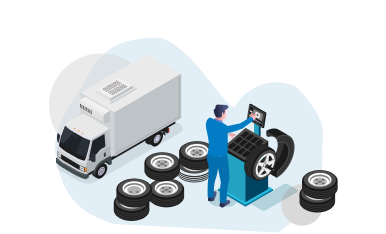
RFID readers are used to scan tire RFID tags during these inspections, recording data such as tread depth, tire pressure, and overall condition. Any maintenance actions taken, such as tire rotations or replacements, are logged in the database.
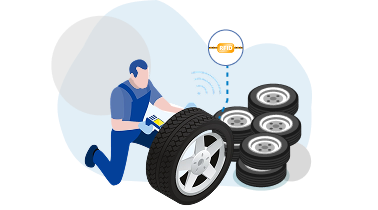
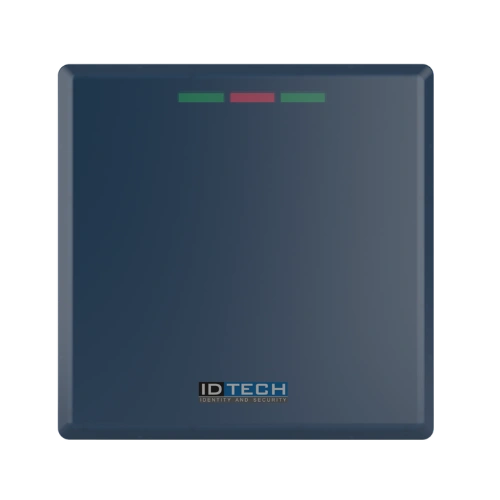
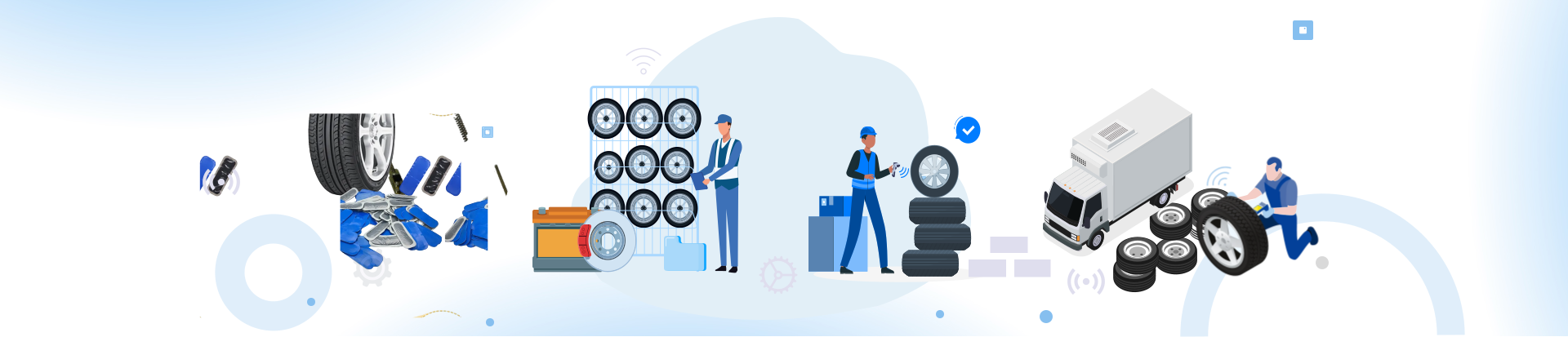
Throughout the tire's lifecycle, its location and usage are tracked and monitored using RFID technology. RFID readers installed at strategic locations, such as vehicle entrances/exits or maintenance facilities, automatically detect the presence of tagged tires as they pass by. This enables real-time visibility into tire inventory, usage patterns, and maintenance needs.
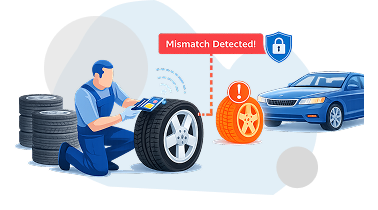
RFID helps prevent tire theft, swapping, or misplacement by ensuring every tire is uniquely identifiable. Any unauthorized movement or mismatch between tire and vehicle can be detected instantly, improving accountability and reducing operational losses.
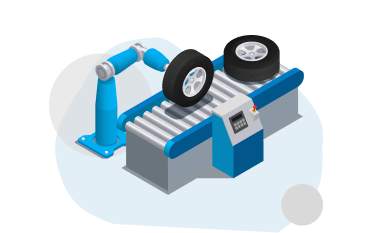
When tires reach the end of their usable life or require replacement due to wear and tear, they are retired from service. The RFID tag data is updated in the database to indicate the tire's retirement status. Proper disposal methods, such as recycling or disposal at certified facilities, are followed, and disposal records are maintained in the database for compliance purposes.
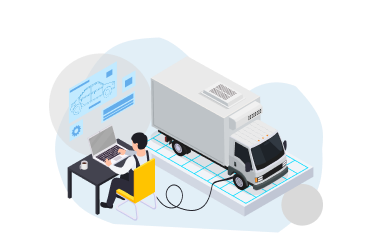
Data collected from RFID-enabled tire management activities is analyzed to generate insights and reports. These insights can include tire performance metrics, maintenance trends, and cost analysis. By leveraging this data, organizations can make informed decisions to optimize tire management processes, improve operational efficiency, and enhance safety.

Real-time addition or removal of tagged tires enhances inventory accuracy, saving time for retailers when matching tires to customer vehicles.

RAIN RFID tagging associates tire IDs with vehicle identification numbers (VINs), streamlining document access and facilitating efficient tire recalls.

RFID-enabled tire data allows maintenance shops to identify tires approaching the end of their lifespan, ensuring safe retreading and proper recycling for sustainable practices.